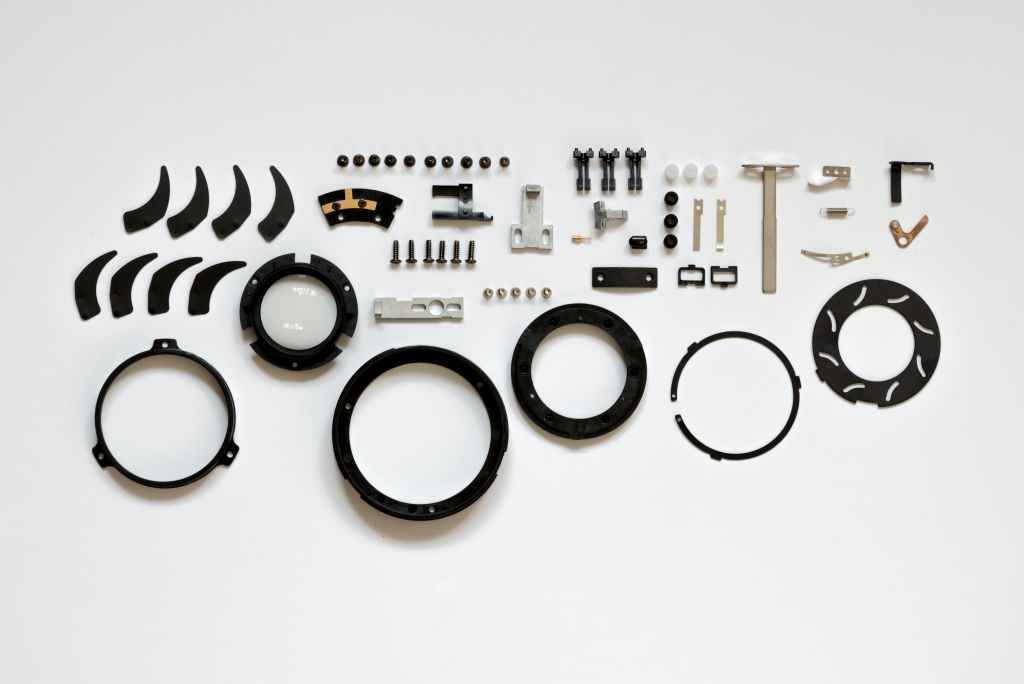
The aviation repair industry is highly regulated and safety-critical, making ensuring components’ quality and reliability a top priority. To achieve this, the First Article Inspection Report (FAIR) is a comprehensive documentation and verification process. FAIR is essential in guaranteeing adherence to stringent quality standards and maintaining the integrity of aviation repairs. In this essay, we will delve into the intricacies of FAIR and explore its significance in the aviation repair industry.

Understanding First Article Inspection (FAI):
First Article Inspection, commonly called FAI, is a systematic and thorough examination of a sample component or product to verify its compliance with specified design requirements, engineering drawings, and other applicable standards. In the aviation repair industry context, FAI is an indispensable step that precedes the mass production or installation of replacement components. It involves scrutinizing the first manufactured or repaired part to confirm that it meets the stipulated criteria before full-scale production or implementation commences.
Components of First Article Inspection Report (FAIR):
The First Article Inspection Report, as the name suggests, is the comprehensive documentation that encapsulates the findings and assessments of the FAI process. This report typically includes detailed information about the manufacturing or repair process, materials used, measurements, inspections, and test results. Some of the key components of a FAIR are:
1. Engineering Drawings and Specifications:
The FAIR begins with meticulously examining the engineering drawings and specifications of the component under scrutiny. This step is critical to ensure the manufacturing or repair process aligns with the original design requirements.
2. Material Certifications:
The FAIR involves thoroughly checking material certifications to confirm that the materials used in the component meet the specified standards and possess the necessary properties for aviation applications.
3. Measurement and Inspection Data:
Precise measurements and inspections are conducted, and the data obtained is recorded in the FAIR. This includes dimensional checks, surface finish evaluations, and other critical assessments to ascertain the conformity of the component.
4. Test Results:
If applicable, the FAIR incorporates the results of various tests conducted on the component. This may include non-destructive testing, stress analysis, fatigue testing, and other assessments relevant to the specific requirements of the aviation industry.
5. Documentation of Non-Conformities:
The FAIR documents these non-conformities where deviations from the specified requirements are identified. This documentation is crucial for initiating corrective actions and ensuring that subsequent components meet the necessary standards.
Significance of FAIR in the Aviation Repair Industry:
Quality Assurance:
FAIR acts as a robust quality assurance mechanism, ensuring that each repaired or manufactured component meets the exacting standards of aviation regulatory authorities. This is particularly critical in an industry where even the slightest deviation from specifications can profoundly affect safety.
Risk Mitigation:
By conducting a comprehensive FAI, potential risks associated with the manufacturing or repair process are identified and addressed at an early stage. This proactive approach is essential for preventing defective components from entering the aviation ecosystem and mitigating the risk of failures and accidents.
Regulatory Compliance:
The aviation repair industry operates under stringent regulatory frameworks, and compliance with these regulations is non-negotiable. FAIR is a tangible demonstration of adherence to these regulations, providing the necessary documentation to regulatory authorities and stakeholders.
Traceability and Accountability:
The detailed documentation in the FAIR ensures traceability throughout the manufacturing or repair process. In the event of an issue, the report allows for a thorough investigation, identifying the root cause and holding accountable any parties responsible for deviations from the specified requirements.
Continuous Improvement:
FAIR is not merely a one-time inspection but is part of a broader commitment to continuous improvement. The insights gained from the FAI process can be used to refine manufacturing or repair processes, enhance quality control measures, and optimize overall efficiency.
Conclusion:
In conclusion, the First Article Inspection Report (FAIR) stands as a linchpin in the aviation repair industry, providing a comprehensive and systematic approach to ensuring the quality and safety of components. Its role in upholding regulatory compliance, mitigating risks, and fostering a culture of continuous improvement cannot be overstated. As technology evolves and aviation standards become more rigorous, the FAIR process remains indispensable in safeguarding the reliability and integrity of aviation repairs. Embracing and refining FAIR practices is not just a regulatory requirement; it is a commitment to the safety of air travel and the trust placed in the aviation repair industry by passengers and stakeholders alike.
 Andres Bellot
Leave a comment